
Managing Expectations of the Music Learning Process
1. Common Expectations 🫰🏻
Picking up an instrument or trying to take your playing to the next level can be an incredibly fulfilling yet difficult process. As many musicians will attest; learning an instrument teaches you a lot about yourself, your ability to commit to something and it also teaches you how to learn. However, when starting to learn something new, you are at the bottom of a mountain looking up, and it’s inevitable that the thought might creep in “Is there a faster way to get to the top? Surely there’s a shortcut?”.
It’s clear that no-one likes to think that something is going to take them a long time to achieve - especially not years! and I often receive messages, emails and video comments which all share one of two themes; “how can I learn music skipping the parts that I don’t want to do?” or “I am intelligent, why is it taking so long?”.
Whilst there are many ways that you can make the process of learning music a much more efficient one, it is also important to manage expectations and enjoy the process. It’s for this exact reason that I believe that learning an instrument teaches you how to learn and appreciate the process of acquiring any new skill.
So what is the reality of learning an instrument and how long is the inevitably long journey that it will take you on?
2. The Reality of Learning 🎼
At the start of learning any skill there is one big problem; you don’t know what you don’t know. Music has a lot of different pursuits encompassed in it and all of it requires lots of information that you not only need to know but you also need to internalise and really deeply understand. So knowing what a “triad” is may be one thing, but being able to play all triads on the piano without hesitation is another thing! This is why at the start of the journey when you are acquiring knowledge it feels like you are learning lots of things that feel simple (where middle C is on the piano, what sharps and flats are etc.), but to really internalise the concepts takes a lot of practice.
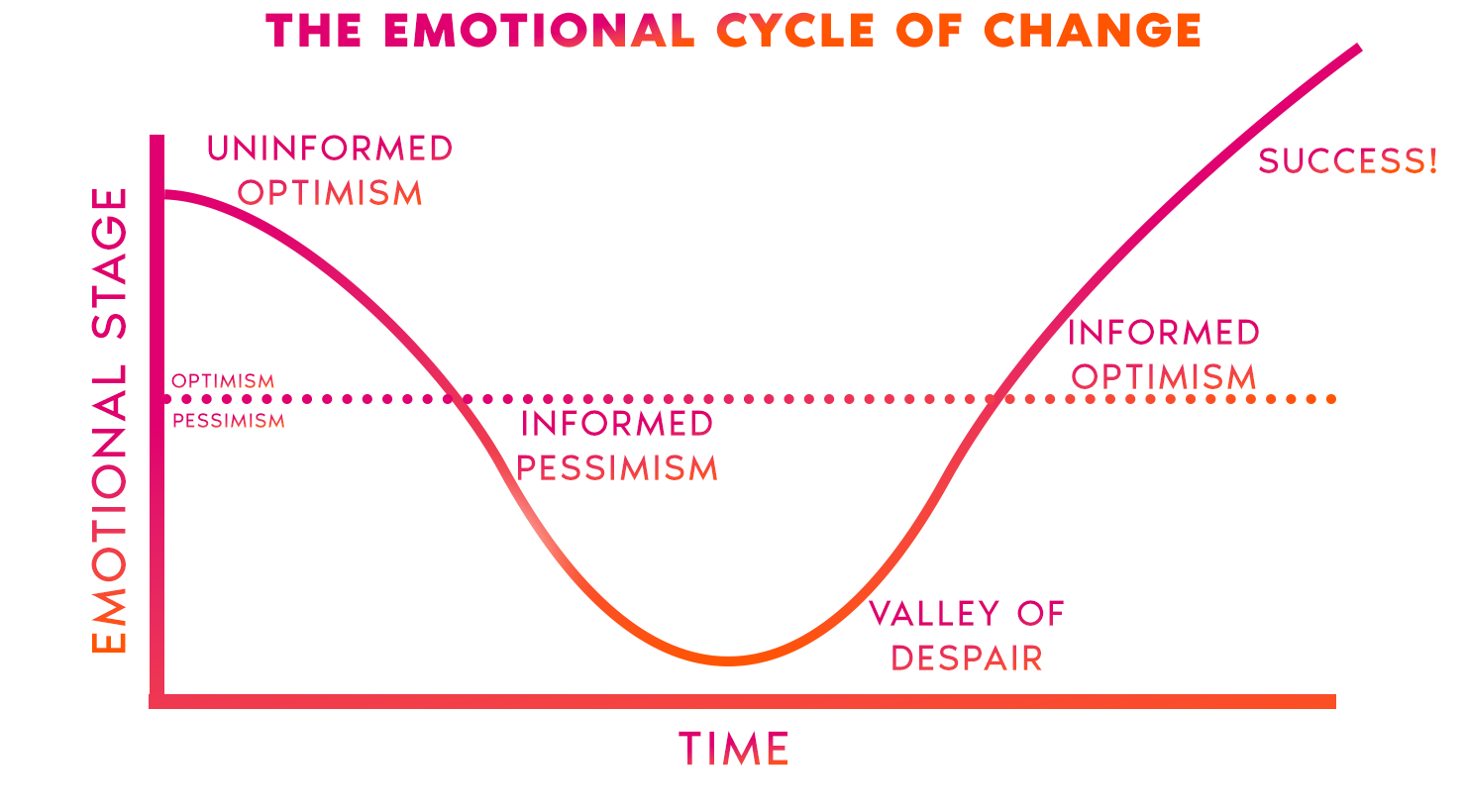
This is why it’s useful to understand that at the start of learning a new skill, you are acquiring new knowledge and the more you learn, the more informed you become about what it actually takes to learn the skill. For example, if you had the expectation that you were going to be a piano expert in 1 year and you find that this is becoming more and more unlikely with every new technique that takes you months to master…then you may feel like quitting! The reason for this is not because its too hard, but its because your expectations were too high…this is often referred to as the “Valley Of Despair”, which is when you acquire enough of a skill to realise how hard that skill is! if you find yourself in the “Valley Of Despair” and it’s getting difficult to stay motivated, remember that this is just part of the process and you WILL come out of the other side of it as long as you don’t quit!
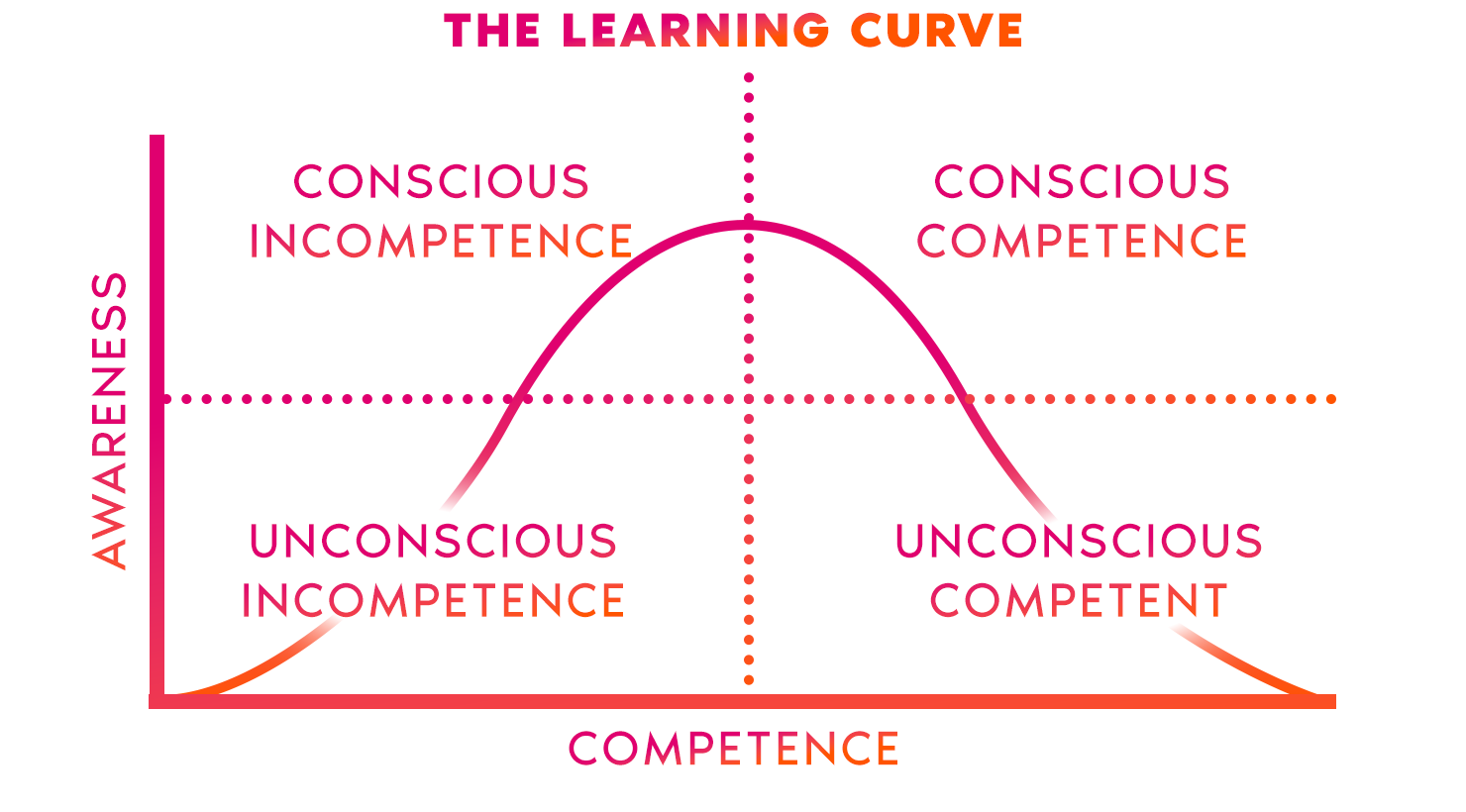
When learning an instrument, thinking about the skills that are acquired along the way can help to slow down and temper our expectations. We can learn musical skills, such as how to play arpeggios, improvise etc.. or we can learn personal and process skills, such as how to learn a piece of music or how to practice effectively. Each of these micro skills also needs to go through a process of:
1. Being brought to your attention
2. Practiced
3. Becoming innate
This is essentially the process followed in “The Four Stages of Competence”. If we understand that everything we learn needs to go through an incubation process of sorts, then we can be kinder to ourselves about how fast we should be learning and this can make the process much more enjoyable.
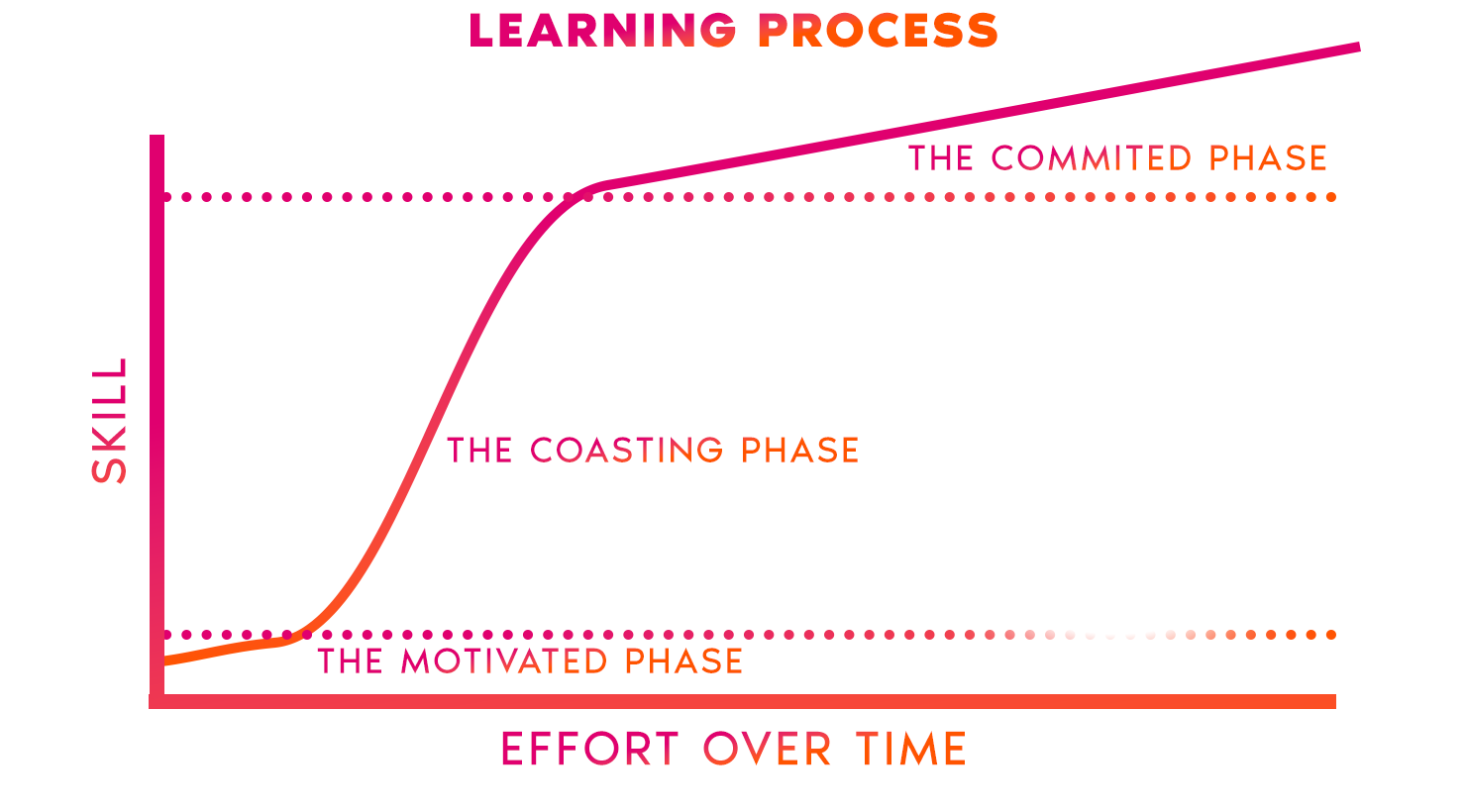
I like to think of the process of learning an instrument in 3 phases.
1. The Motivated Phase (Beginner to Grade 1)
2. The Coasting Phase (Grade 1 to Grade 6-8)
3. The Committed Phase (Grade 6-8 onwards)
The Motivated Phase - In this phase the process may be slower because there is quite a lot of new information to learn, you’ve got to get your hands and brain to do something new, however you are motivated and excited!
The Coasting Phase - In this phase you know most of the basic information and you are building upon it, your perceived rate of progress is faster and you have an idea about what needs to be done to get better. However, you are at risk of falling into the trap of thinking that you will progress linearly forever!
The Committed Phase - In this phase you hit a plateau because the way you were practicing before is no longer effective. You also don’t have the same motivation as when you started learning because your expectations are now that you will progress regardless…and so you either “quit or commit”! Committing would mean looking deeper into the music, becoming efficient with practice and thinking of music less technically and more emotionally.
3. Enjoying The Journey 🚗
Ultimately, having expectations of what you should be able to achieve in a certain period of time and thinking about how fast you can get there is a recipe for unhappiness and leads many to eventually quit. So instead of finding enjoyment in what you have learned and how fast you’ve learnt it, find enjoyment in the type of person you are becoming along the way.
Learning an instrument requires a lifetime of learning and no musician would claim to have learnt it all, we are all just learning different things at different times! So although there is no shortcuts to becoming a great musician we can find enjoyment in what we learn about music and about ourselves along the way.
For example, we can find enjoyment in:
1. Being the type of person who does what they say they are going to do by committing to regular practice no matter what level you are at.
2. Being the type of person that is able to commit to long term goals by setting long term goals and proving to yourself that you will see it through.
3. Being able to find answers to questions and progress in something by researching, reading, asking someone or having lessons.
4. Connecting to the music by learning why music makes us feel the way it does.
5. Proving to ourselves that we can do something today that we couldn’t do yesterday!
There are many ways that you can find enjoyment in the process of learning music and this is what will allow you to pursue music over the long term. It’s ok to have expectations of yourself, but your expectations serve you best when they are within your control rather than what you “should” be able to do in a certain period of time.
Matthew Cawood
(This is from my “Monday Music Tips“ weekly email newsletter. Join my mailing list to be emailed with future posts.)